Telecom Partnerships Broaden Live Dealer Table Reach Across Global Gaming Platforms
Taylor Coleman · Nov 17, 2026
Telecom Partnerships Broaden Live Dealer Table Reach Across Global Gaming Platforms
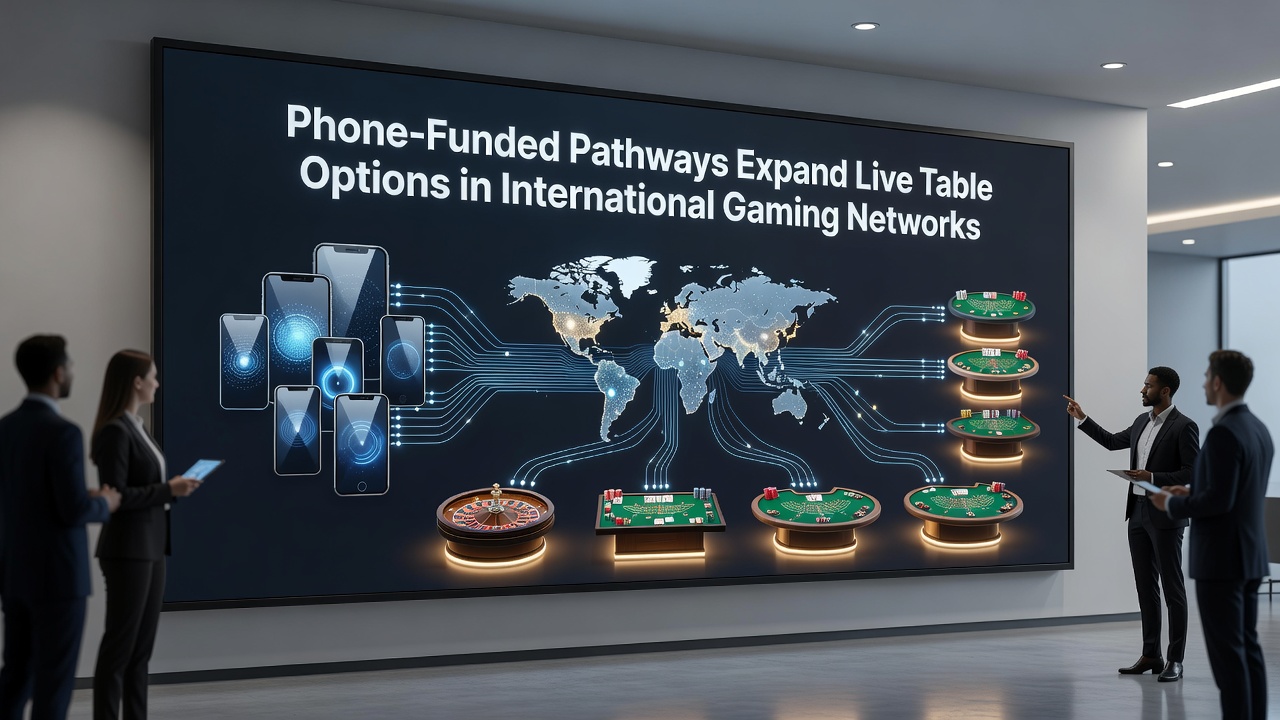
Phone-funded pathways now connect players directly to expanded live table selections on international networks, and this integration has accelerated through 2026 as telecom operators partner with platform operators in multiple regions. Data from industry reports shows that billing via mobile carriers reduces entry barriers while operators add more blackjack, roulette, and baccarat variants to their live dealer catalogs. Observers note that these systems allow seamless top-ups that feed directly into real-time dealer sessions without separate wallet transfers in many cases.
Mechanics Behind Phone Billing for Live Tables
Carriers process deposits through premium SMS or direct carrier billing, and players select table stakes that deduct from their phone balance or appear on monthly statements. Research indicates that this method supports higher table limits in some networks because transaction caps align with carrier policies rather than traditional payment processors. Those who study payment flows report that verification layers stay minimal when carriers already hold user data, which lets platforms route funds faster to live dealer interfaces.
Networks in Europe, Asia, and the Americas have adjusted their live table offerings to match these payment speeds. Figures reveal that roulette wheels and card tables now run with shorter intervals between rounds on phone-billed channels, while dealers handle more simultaneous streams from different currency zones.
Market Expansion Patterns Observed in Late 2026
By November 2026, several cross-border platforms reported increased live table counts after adopting carrier billing partnerships. One study from the European Gaming and Betting Association found that live dealer rooms added an average of 12 new tables per operator in markets where phone funding gained traction. Blackjack variants with side bets and multi-hand options appeared more frequently because instant funding allowed players to move between tables without delays.
Platforms also introduced region-specific tables that accept local carrier billing, and this customization expanded dealer language options as well. Australian regulatory filings show similar growth in baccarat rooms funded through telecom channels, with session lengths extending because players topped up mid-game through the same interface.
Regional Differences in Table Variety and Access
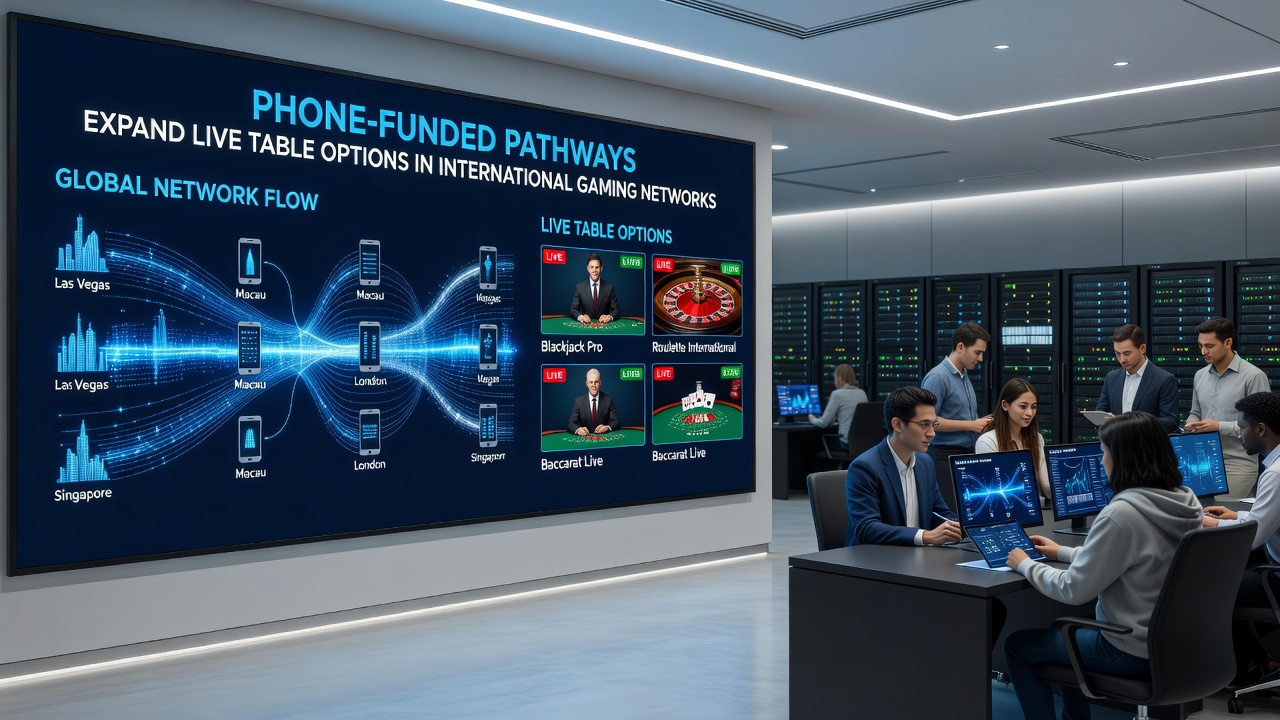
North American networks tend to emphasize poker tables with phone billing, whereas Asian platforms prioritize baccarat spreads according to transaction volume data. European operators mix roulette and blackjack more evenly, and researchers at the University of Nevada, Reno documented these patterns through transaction logs shared by partner carriers. The differences stem from local preferences that carriers already track through existing billing data.
Live table software providers updated their engines to handle simultaneous phone-funded sessions from multiple countries, and this technical shift reduced latency during peak hours. Observers point out that dealers now manage mixed-currency tables where phone billing converts values on the fly without interrupting play.
Regulatory and Infrastructure Considerations
Regulators in several jurisdictions require carriers and platforms to maintain clear transaction records, and compliance teams use automated flags when patterns suggest unusual activity. The Netherlands Gambling Authority published guidelines in 2026 that address phone billing transparency for live dealer environments, emphasizing player spending visibility. Similar frameworks in other regions focus on ensuring that live table access remains tied to verified accounts even when funding arrives through telecom channels.
Infrastructure upgrades at data centers support the increased table loads, and network operators report that cloud-based dealer streams handle the added volume without stability issues. Those who monitor uptime metrics note that phone-funded sessions show comparable reliability to other payment methods during high-traffic periods.
Conclusion
Phone-funded pathways continue to reshape how international networks present live table options, with data showing steady additions of dealer tables and payment integrations through November 2026. Carrier partnerships provide the backbone for these expansions, while regional regulators and infrastructure providers adapt to the new traffic patterns. The result remains a broader selection of live dealer experiences accessible through existing mobile billing systems across multiple continents.