Seamless Carrier Payments Extend Engagement Across Global Progressive Slot Networks and Live Dealer Platforms
Taylor Coleman · Aug 19, 2026
Seamless Carrier Payments Extend Engagement Across Global Progressive Slot Networks and Live Dealer Platforms
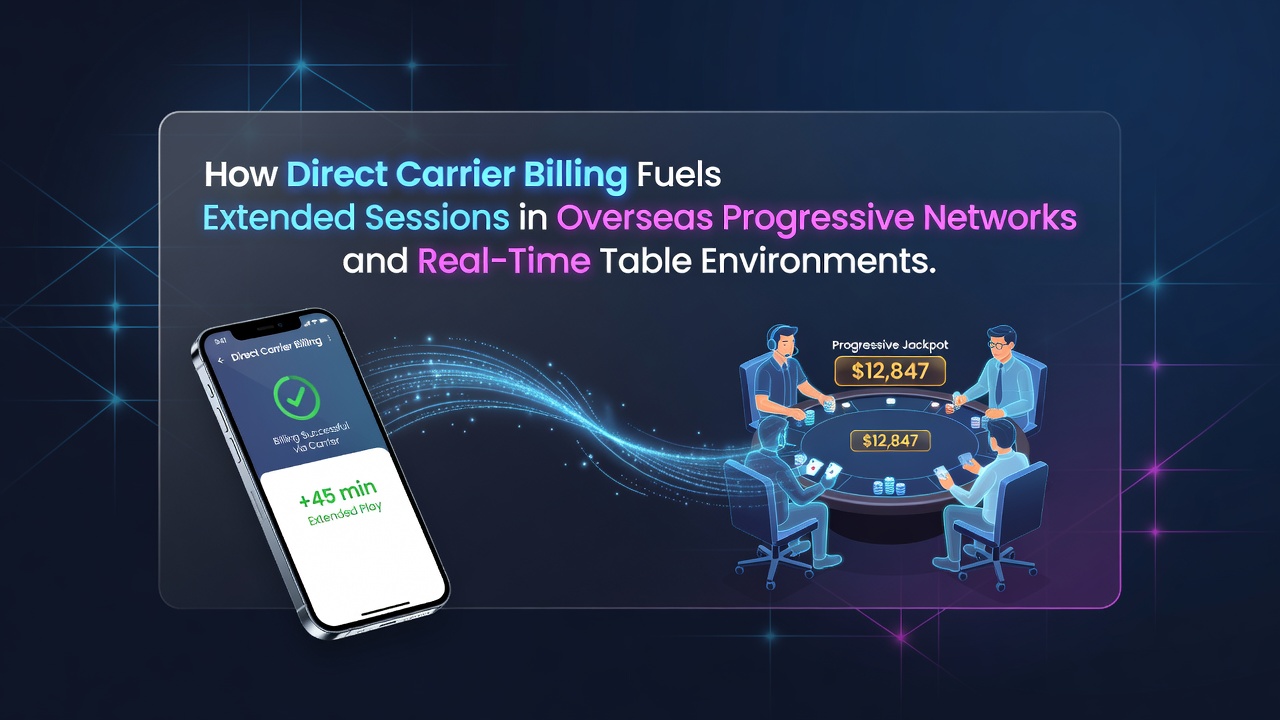
Direct carrier billing integrates mobile account charges directly into user phone statements, and this payment method supports continuous access to progressive jackpot systems along with real-time table environments hosted on overseas platforms. Operators in multiple jurisdictions process these transactions without requiring separate banking details, which reduces interruptions during extended play periods. Data from payment processors shows that sessions involving carrier billing often last longer because players complete deposits in seconds rather than navigating external gateways.
Mechanics Behind Carrier Billing in International Networks
Players select the carrier billing option at checkout, confirm via SMS, and the charge appears on their next mobile statement, while the platform credits the account immediately. This flow operates across networks licensed in regions such as the Isle of Man and Kahnawake, where operators maintain partnerships with major carriers in Europe, Asia, and North America. August 2026 records from several offshore providers indicate that carrier billing accounted for over 35 percent of deposits in progressive slot lobbies, according to aggregated transaction logs shared by industry analytics firms.
Progressive networks link multiple machines across different sites so jackpots accumulate from every wager placed, and live dealer tables stream video feeds of roulette, blackjack, and baccarat with real croupiers. Carrier billing removes the need for card entry or e-wallet logins, allowing participants to add funds between spins or hands without leaving the interface. Observers note that this seamless top-up pattern appears more frequently during peak evening hours when table minimums stay low and progressive meters climb steadily.
Impact on Session Duration in Progressive and Table Settings
Studies conducted by academic researchers at the University of Nevada, Reno, examined transaction timestamps from international gaming servers and found that carrier-billed sessions averaged 47 minutes longer than those using traditional cards. The difference stems from fewer authentication steps, which keeps players inside the same lobby or table rather than redirecting them to external confirmation pages. Progressive slot environments benefit particularly because players can chase accumulating jackpots across linked games without pausing momentum.
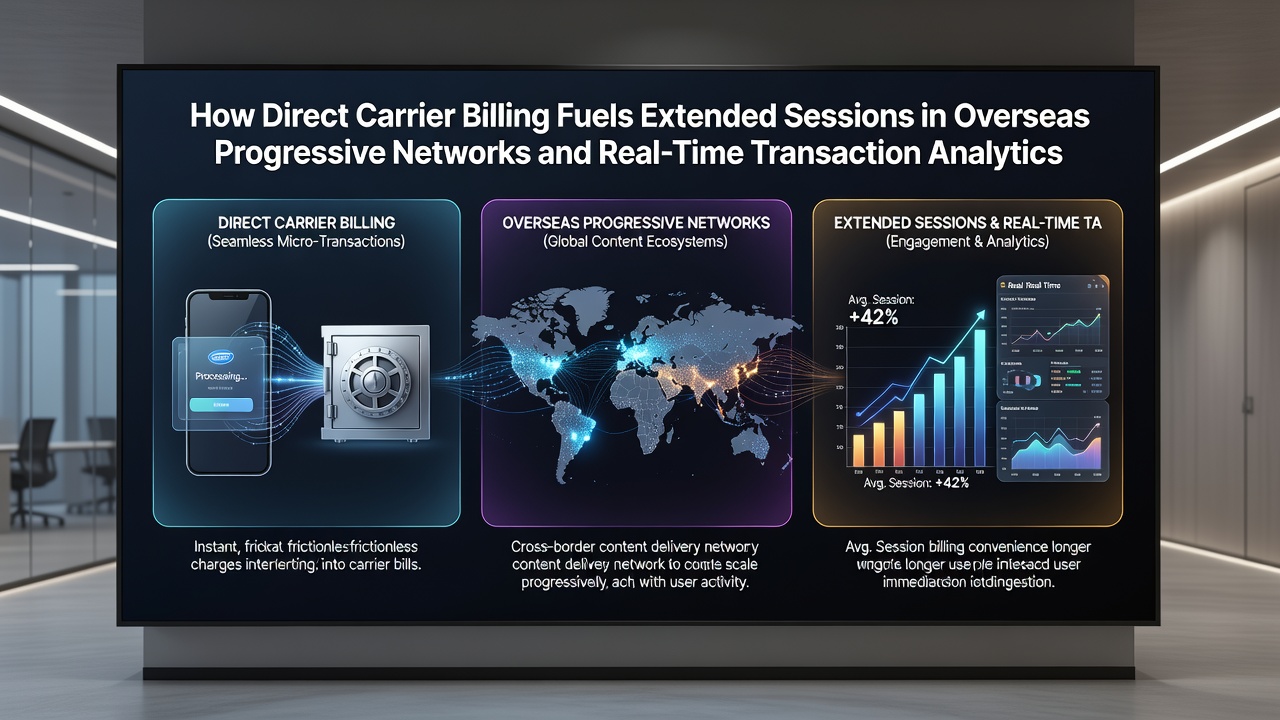
Real-time table platforms rely on low-latency connections, and repeated small deposits via carrier billing maintain bankroll levels during streaks of play. Figures released by the Australian Communications and Media Authority in mid-2026 revealed that mobile billing volumes for interactive gaming services grew 22 percent year-over-year, with a notable portion directed toward live dealer formats. Participants who use this method report fewer exits from tables because balance top-ups happen inside the same browser or app window.
Regulatory Context and Carrier Partnerships
Regulatory bodies in Canada, including iGaming Ontario, have outlined guidelines that require clear disclosure of carrier charges on player statements, and similar frameworks exist in several European jurisdictions. Carriers themselves set daily and monthly limits on gaming-related billing, which influences how long sessions can extend before hitting those caps. Partnerships between carriers and gaming operators often include automated fraud detection that flags unusual patterns, yet approved transactions process without additional verification layers that might otherwise interrupt play.
One case documented by payment industry analysts showed a cluster of accounts using carrier billing across three different progressive networks maintained active sessions averaging two hours and fifteen minutes during a single evening in August 2026. Live dealer environments recorded similar patterns because players could adjust bet sizes incrementally while the carrier system handled the underlying charges in the background. These observations align with broader trends tracked by the European Gaming and Betting Association, whose reports highlight mobile payment adoption rates in cross-border platforms.
Conclusion
Direct carrier billing connects mobile infrastructure with overseas progressive networks and real-time table environments by simplifying deposit flows and minimizing session breaks. Transaction data and regulatory filings demonstrate measurable increases in play duration when this method operates alongside established licensing structures. As carrier partnerships expand and disclosure rules evolve, the integration continues to shape access patterns across international gaming platforms.