How Bill-to-Mobile Options Are Reshaping International Casino Access in 2026
Greta Hayes · Aug 14, 2026
How Bill-to-Mobile Options Are Reshaping International Casino Access in 2026
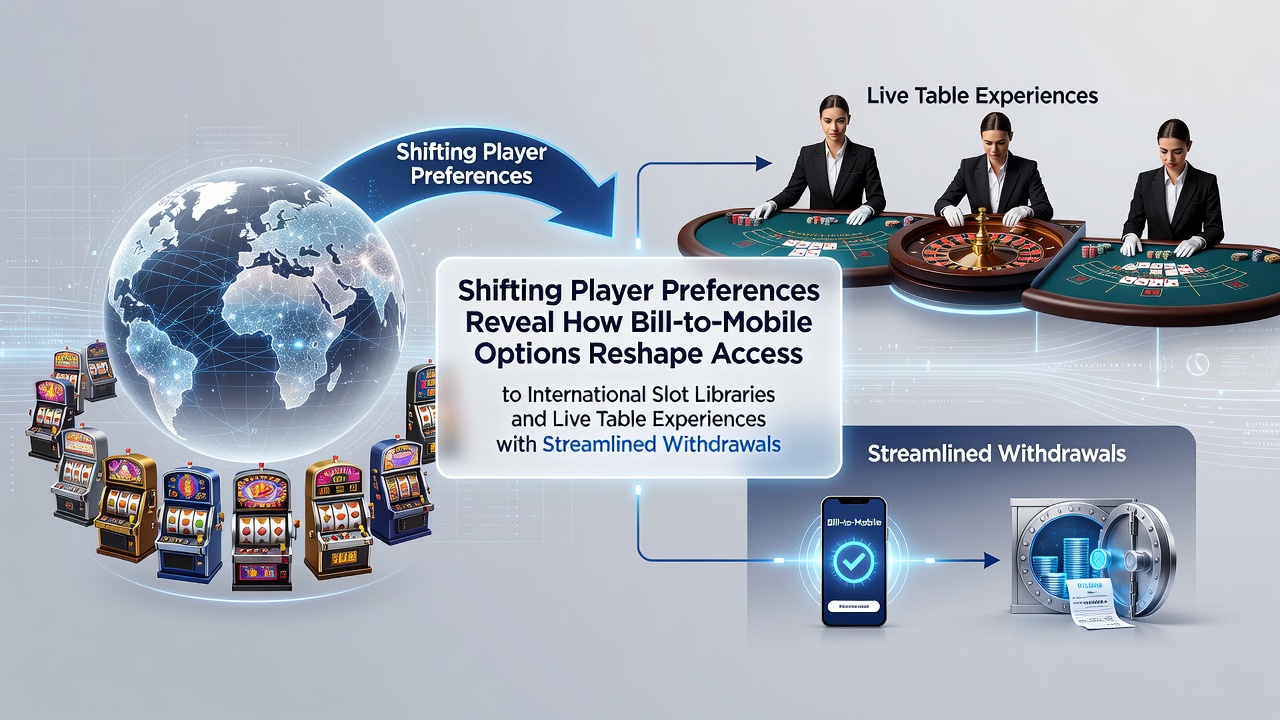
Bill-to-mobile payment methods continue to influence how players engage with online casinos worldwide, and data from mid-2026 shows clear patterns in these shifts. Observers note that players increasingly select these options to bypass traditional banking hurdles, which opens doors to slot collections from multiple jurisdictions and live dealer tables that operate across time zones. Figures from industry tracking services indicate that adoption rates climbed steadily through the first half of the year, with many platforms reporting higher session volumes tied directly to phone billing integrations.
Understanding the Mechanics Behind Bill-to-Mobile Adoption
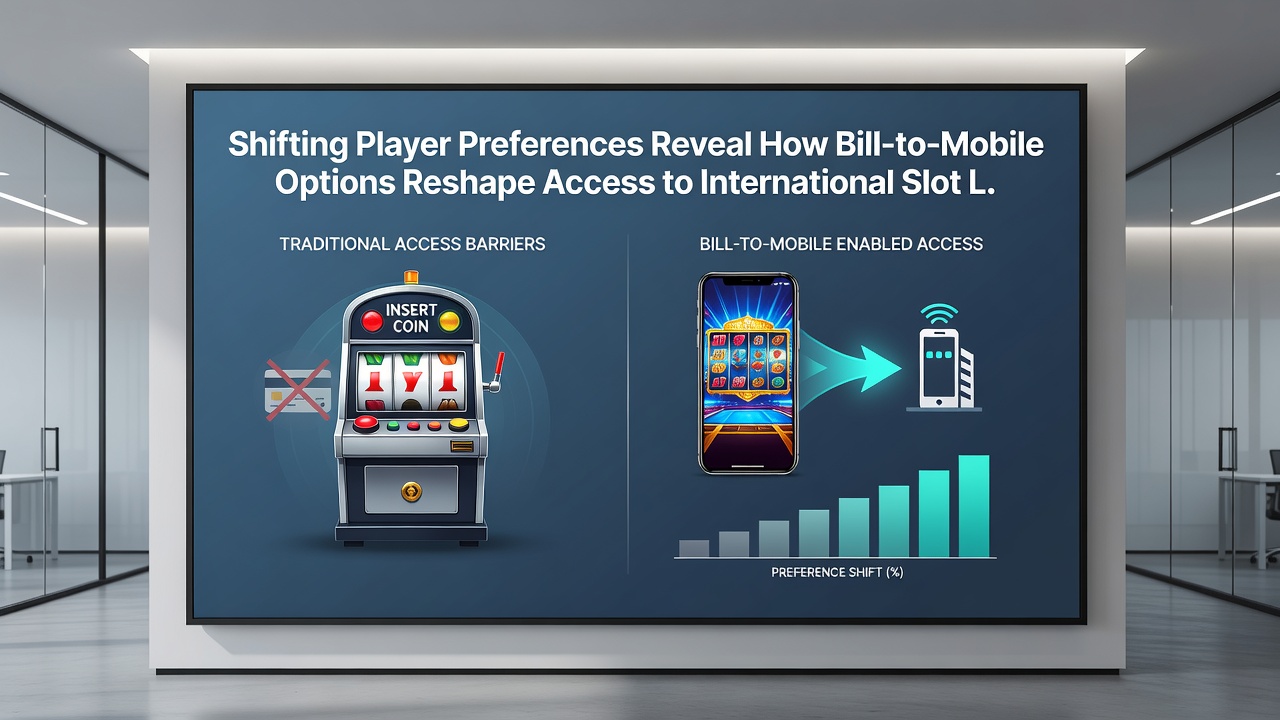
These payment systems charge deposits straight to a user's mobile phone bill or prepaid balance, and the process eliminates the need for separate card entries or e-wallet logins in many cases. Researchers at various gaming analysis firms have documented that this approach reduces friction during sign-up and deposit stages, which leads to quicker entry into game libraries. Data collected across European and North American markets shows that sessions initiated via bill-to-mobile often last longer on average, since players avoid the extra steps associated with other methods. What's interesting here is how regulatory environments in different regions accommodate these transactions without requiring additional verification layers in some instances, allowing access to broader selections of international titles.
Expanded Reach to Global Slot Libraries
Slot libraries hosted on offshore platforms frequently include titles licensed from developers in Malta, the Isle of Man, and various Asian markets, and bill-to-mobile options make these collections more reachable for users in restricted banking areas. Studies conducted by academic groups at institutions focused on digital entertainment reveal that players using phone billing report higher engagement with progressive jackpot games and themed video slots that originate outside their home regions. As of August 2026, several major aggregator platforms noted a measurable uptick in cross-border play, where users in one country spin reels developed and regulated under another jurisdiction's standards. This pattern holds because the payment method itself operates independently of local financial networks that might otherwise block such transactions.
Live Table Experiences Benefit from Mobile Billing Integration
Live dealer tables, including blackjack, roulette, and baccarat variants streamed from studios in Eastern Europe and the Caribbean, gain additional accessibility when bill-to-mobile deposits are supported. Those who've examined platform analytics point out that real-time interaction with dealers becomes available without delays from payment processing queues, and this setup supports extended play periods. Evidence from operator reports suggests that live table traffic increases notably on sites that promote phone billing, particularly during peak evening hours when international time differences align favorably for players. The streamlined nature of these deposits also pairs well with features like multi-camera views and chat functions, enabling participants to move between tables without interruption.
Streamlined Withdrawals Complete the Cycle
Withdrawal processes tied to the same mobile billing systems often complete faster than traditional bank transfers, with many platforms processing requests in under an hour when the initial deposit came through phone charges. According to data compiled by the Australian Gambling Research Centre, users who rely on bill-to-mobile for both deposits and cashouts experience fewer verification bottlenecks in regions where such methods are established. This efficiency stems from the direct linkage between the phone account and the casino ledger, which reduces the need for intermediary approvals. Platforms operating under licenses from the European Betting Association have incorporated these options more widely, and transaction logs from 2026 show consistent turnaround times that align with player expectations for rapid access to winnings.
Regional Patterns and Platform Adaptations
Markets in Canada and parts of Asia demonstrate stronger uptake of bill-to-mobile features compared to areas with stricter financial regulations, and operators respond by expanding their game catalogs to include more localized content alongside global offerings. Observers tracking these developments highlight how platforms adjust interface designs to prioritize mobile billing prompts during onboarding, which further encourages exploration of diverse slot themes and live dealer formats. Case examples from aggregator services illustrate that users who start with smaller phone-based deposits often scale up to larger sessions once they experience the combined benefits of quick entry and efficient exits. These adaptations reflect broader industry responses to measured preference changes rather than isolated trends.
Conclusion
Bill-to-mobile options continue to alter pathways into international slot libraries and live table offerings, supported by data that shows improved access and processing speeds as of August 2026. Platforms that integrate these methods effectively meet evolving player needs across regions, and the resulting transaction flows maintain consistency with established regulatory frameworks outside the United Kingdom. Continued monitoring by research entities will track how these patterns develop alongside new game releases and licensing updates.